


Regulatory compliance in Canada is not only mandatory but also a critical component of sustaining business credibility. One major component of compliance is the role of an AML officer in Canada.
AML officers allow your money service business (MSB) to implement new anti-money laundering policies, update previous compliance programs, and report transactions to regulatory agencies such as FINTRAC. To learn more about why businesses require an AML officer in Canada, continue reading.
What is an AML Officer in Canada?
An AML officer in Canada is a compliance professional responsible for helping your MSB fulfill anti-money-laundering obligations. They are required to oversee transactions, report suspicious payments, ensure records are maintained, and implement internal AML policies.
All Canadian AML officers must ensure the MSB they're employed at is complying with regulations under the Proceeds of Crime (Money Laundering) and Terrorist Financing Act (PCMLTFA). Having an AML officer allows your business to meet regulatory obligations and reduces exposure to audits or sanctions.
Why do Businesses Require an AML Officer in Canada?
Money service businesses, payment service providers (PSPs), and crypto exchanges are some financial institutions that benefit from the services of AML officers. Here are three ways in which the professional may assist your MSB:
FINTRAC Compliance
The primary role of an AML officer in Canada is to ensure compliance with FINTRAC regulations. Under the PCMLTFA, the regulatory agency mandates the following things:
- Maintenance of up-to-date anti-money laundering policies
- Client identification and verification during specific transactions, such as large cash transactions
- Appropriate record-keeping of all financial transactions for at least five years
- Compliance with reporting requirements, including submission of suspicious transaction reports (STRs), large cash transaction reports (LCTRs), etc
A dedicated AML officer in Canada helps your MSB meet these regulatory obligations. They also ensure all reports and transactions are documented correctly to avoid non-compliance consequences.
Risk Mitigation
Another reason why businesses require Canadian AML officers is risk assessment and mitigation. Money service businesses, payment service providers, and crypto exchanges are often exposed to high-risk clients due to online payment systems.
An experienced AML officer helps identify and verify such clients to prevent your fintech from participating in illicit activities. Such an approach is essential to protect your business from enforcement actions, regulatory penalties, and reputational damage.
Staff Training
One of the key responsibilities of an MSB owner is to ensure all its employees are capable of fulfilling Canadian compliance regulations. This means your staff must be aware of reasonable grounds to suspect and report unusual transactions.
Your team must also be aware of the latest AML regulations to maintain compliance when conducting various transactions. An AML officer in Canada assists with training employees to ensure the company staff is aware of the latest regulatory updates.
Continuous internal education programs led by your AML officer may also enhance the ability of staff to apply due diligence measures to various transactions.
What are the Consequences of not Having an AML Officer in Canada?
Appointing an AML officer is highly beneficial for MSBs, but you may still be considering operating your MSB without one. Let's look at the consequences of not having an AML officer to help you make an informed decision:
Administrative Monetary Penalties
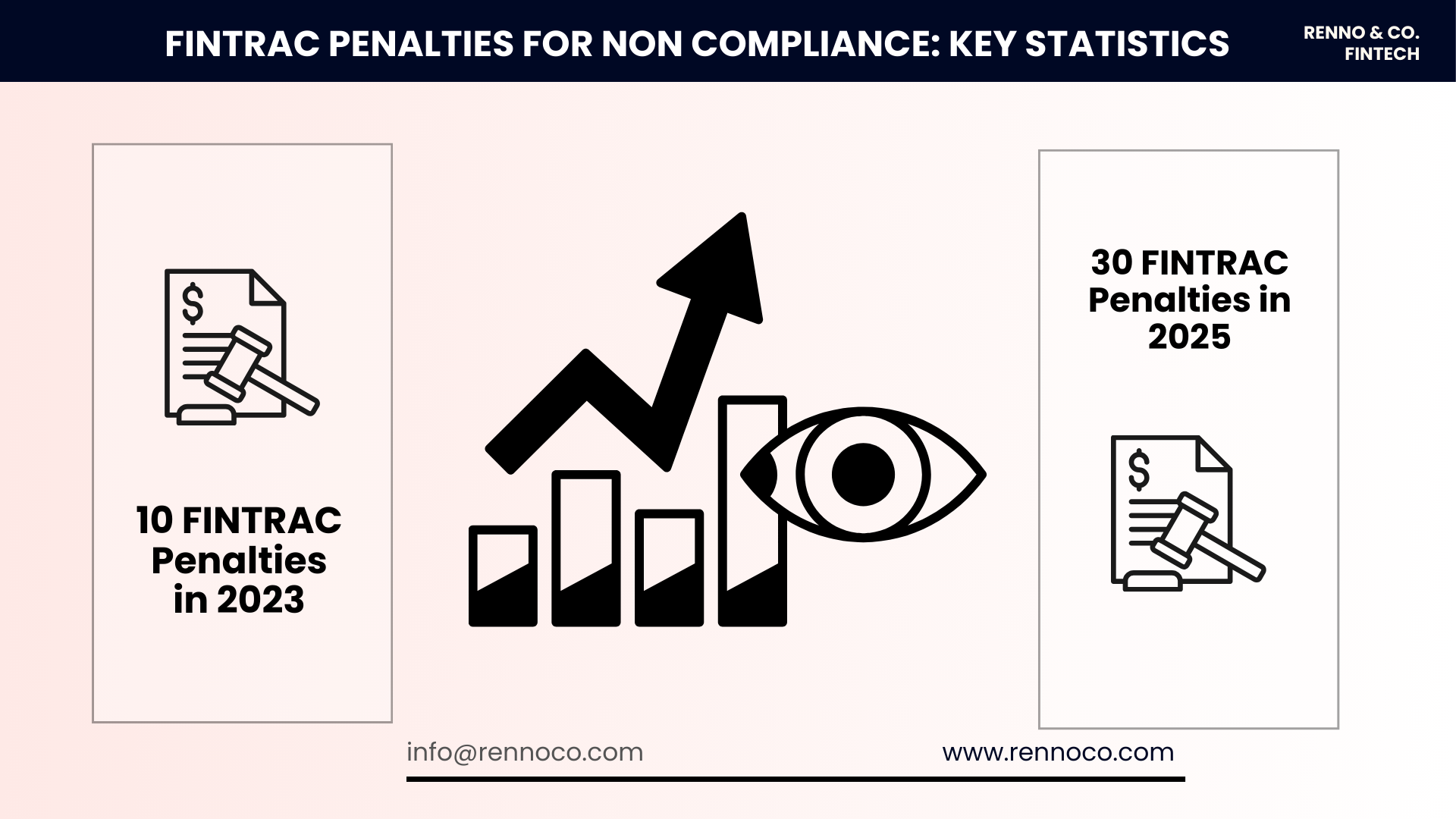
One of the biggest consequences of not having an AML officer is that it leads to non-compliance with FINTRAC regulations. The agency may impose administrative monetary penalties for "minor, serious, or very serious violations" for non-compliant individuals and entities as a consequence.
Exposure to Suspicious Clients
Not having an AML officer in Canada means that your team may not have adequate expertise in recognizing high-risk clients or transactions. This can expose your MSB to illicit activities such as money laundering and terrorist financing, leading to non-compliance.
Operational Restrictions and Reputational Damage
Operational restrictions may follow if you don't fulfill the AML officer requirements in Canada. Your business may also suffer from reputational damage due to enforcement actions taken by FINTRAC, such as public naming for regulatory violations.
FAQs
What are the Benefits of Appointing an AML Officer in Canada?
Hiring a Canadian AML officer has many benefits, such as easier detection of suspicious transactions, enhanced staff training, ongoing fintech compliance measures, and decreased chance of sanctions.
How to Choose the Right AML Officer for Fintech?
You must assess the knowledge of a potential AML officer to ensure they're aware of the latest compliance regulations. The individual must also have experience working with MSBs or PSPs and can train employees effectively.
What are the Business Challenges of Operating Without an AML Officer in Canada?
Operating a business without an AML officer may expose you to suspicious clients, regulatory penalties, and reputational damage. FINTRAC may also revoke your MSB registration, leading to disruption of operations.
Can a Fintech Outsource an AML Officer in Canada?
Yes, you can use a fractional AML service to outsource an AML officer in Canada to fulfill compliance obligations. Digital law firms such as Renno & Co. Fintech offer experienced AML officers to MSBs, PSPs, and crypto exchanges registered throughout Canada.
Collaborate With Renno & Co. Fintech for Fractional AML Officer Appointment
Appointing an AML officer in Canada is essential for fintechs that want to streamline payment processes and adhere to compliance regulations. At Renno & Co. Fintech, we help you by offering experienced AML officers for developing policies, training employees, and other tasks.
If you wish to outsource an AML officer in Canada or want to learn more about anti-money laundering regulations, contact us today. Our team would be delighted to discuss Canadian AML requirements, including the appointment of AML officers.
Ready to get started?
Talk To UsBook a Free Consultation
Speak with our fintech legal advisor
about your registration


